
Robotic arms have become a cornerstone of the modern machinery industry, typically programmed to control and automate various machine operations. By replacing traditional manual labor, robotic arms help minimize human exposure to hazardous environments and significantly improve efficiency in repetitive tasks.
At EVS Robotics, we are committed to advancing industrial automation through cutting-edge robotic solutions.
The different types of robotic arms, their unique features, applications, and how they can transform industries, from big auto shop robotic arms to precision-driven manufacturing processes.
Main Types of Robotic Arms
EVS Robotic arms come in various configurations, each tailored to specific tasks and environments. Below, we outline the different types of robotic arms, highlighting their characteristics, applications, and advantages, with insights inspired by industry leaders like SCARA Robotic arms, Collaborative Robot Arms, Charging Robot Arms, Palletizing Robot Arms, Painting Robot Arms and Wall Climbing Robot Arms. A detailed comparison of their key features, advantages, and disadvantages is presented in the table below.
SCARA Robotic arms
EVS SCARA Robot combine three linear axes (X, Y, Z) with rotational motion. They are designed for fast, precise horizontal movements, with compliance in the vertical direction and stiffness horizontally, making them ideal for tasks requiring lateral accuracy.
| Key Characteristics | Applications | Advantages |
| High-Speed and High-Precision Horizontal Movements | Screw driving, insertion tasks, and vertical load operations | Boosts speed and precision for high-efficiency production |
| Rigid Structure for Vertical Stability | Space-constrained manufacturing environments | Ensures high vertical accuracy and stability |
| Compact Footprint with Flexible Integration | Space-constrained manufacturing environments | Easy to install and optimize space usage |
Collaborative Robot Arms
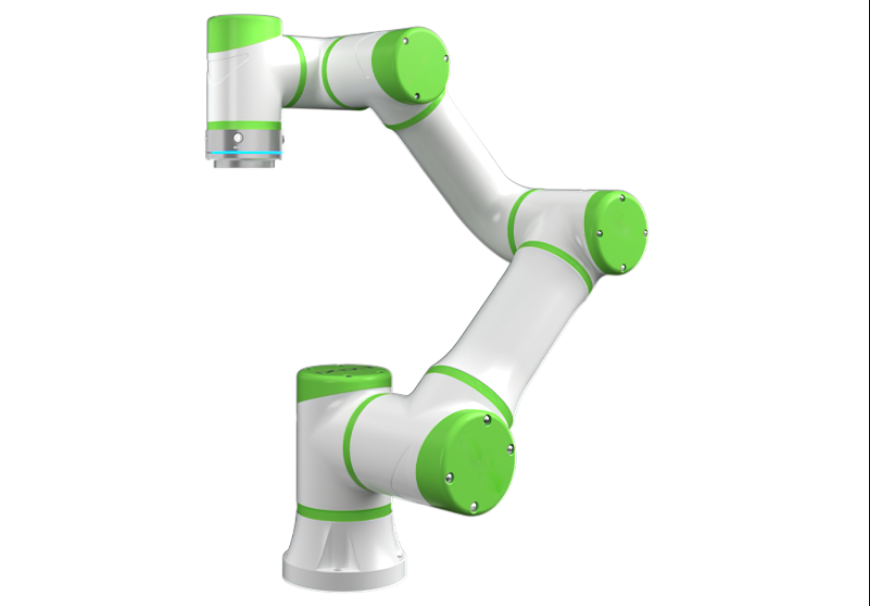
EVS Collaborative robots, or cobots, are designed to work safely alongside human operators. Equipped with advanced sensors and safety features, cobots offer flexibility and ease of programming, making them accessible for small and medium-sized enterprises.
| Key Characteristics | Applications | Advantages |
| Safe to Work Alongside Humans | Machine tending in shared workspaces | Reduces the need for safety cages and lowers overall workspace costs |
| Easy Programming and Deployment | Small-batch production | Shortens setup time and increases operational flexibility |
| Lightweight and Flexible Design | Pick-and-place operations | Easily repositioned for multiple applications, enhancing productivity |
Charging Robot Arms
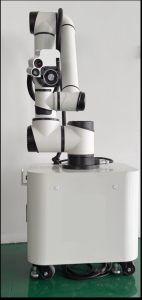
Charging Robot Arms from EVS Robotics are specialized robotic manipulators designed for automated charging solutions, particularly for electric vehicles (EVs). Integrated with advanced vision systems and AGV (Automated Guided Vehicle) technology, these arms can identify and align with charging ports to plug in chargers autonomously.
| Key Characteristics | Applications | Advantages |
| Automated and Precise Docking | Electric vehicle (EV) battery charging | Ensures fast and accurate connection, reducing manual errors. |
| Flexible Compatibility with Multiple Devices | harging various models of electric vehicles or industrial robots | Supports a wide range of charging standards and devices, improving system adaptability |
| Enhanced Safety Features | High-voltage or high-current charging environments | Minimizes the risk of electrical faults, ensuring safer operations |
Palletizing Robot Arms
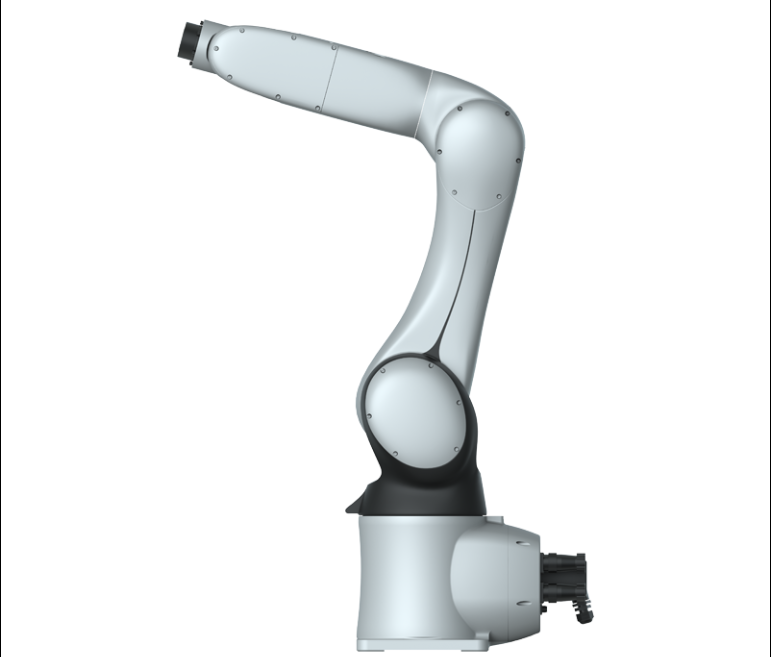
EVS Palletizing robots are engineered to efficiently handle the stacking and organizing of products onto pallets. EVS Robot’s palletizing solutions offer high-speed, high-accuracy performance, ideal for industries such as food and beverage, chemical, logistics, and manufacturing.
| Key Characteristics | Applications | Advantages |
| High Payload Capacity | Stacking heavy boxes, bags, and cartons onto pallets | Efficiently handles large and heavy items, reducing manual labor |
| Fast and Consistent Stacking Performance | High-speed palletizing in food, beverage, and logistics industries | Increases throughput with consistent stacking quality. |
| Customizable End Effectors | Handling products of various shapes and sizes | Offers flexibility to adapt to different production needs. |
Painting Robot Arms
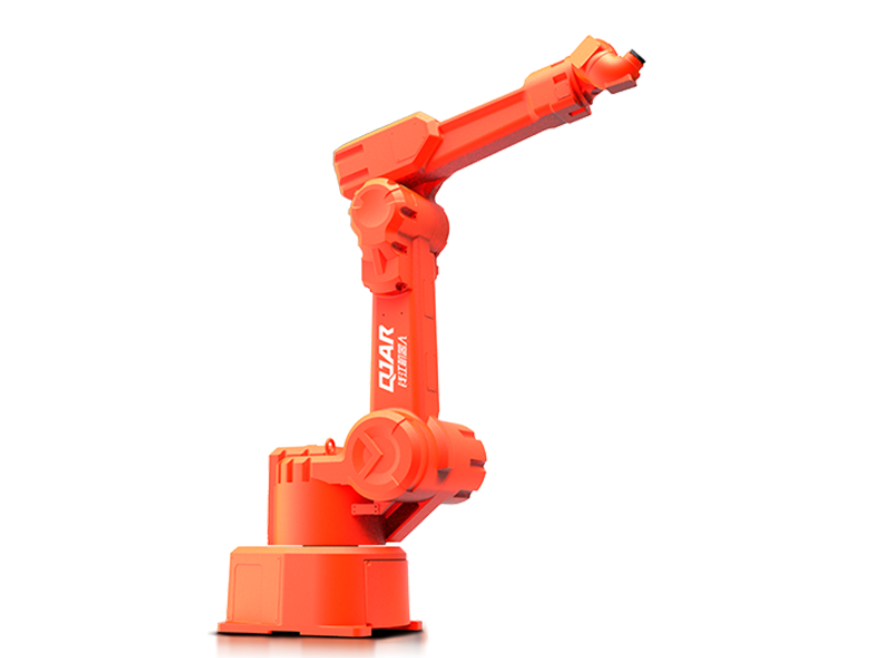
Painting Robots from EVS Robotics are designed for high-precision spray painting and coating applications. These robots, such as the explosion-proof QJAR 10kg Payload Painting Robot, feature advanced bus structures for easy expansion and high-speed operation. They are engineered for safety in volatile environments and deliver consistent, high-quality finishes.
| Key Characteristics | Applications | Advantages |
| Smooth and Consistent Motion Control | Automotive body painting | Delivers uniform coating quality, reducing paint waste. |
| Explosion-Proof and Safety Design | Painting operations in hazardous environments | Enhances safety during high-risk painting tasks. |
| Flexible Programming for Complex Surfaces | Painting complex 3D surfaces like car parts or machinery components | Easily adapts to diverse shapes, improving process versatility |
Wall Climbing Robot Arms
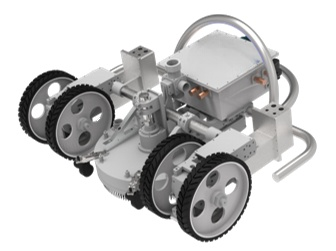
Wall Climbing robots are innovative robotic systems capable of vertically scaling walls or inclined surfaces for inspection, maintenance, cleaning, and painting tasks. EVS Robot’s wall-climbing robots are built with powerful adhesion technologies (such as vacuum or magnetic systems) and agile mobility, making them ideal for operations on high-rise buildings, bridges, ships, and large industrial equipment. They improve worker safety by eliminating the need for scaffolding and manual climbing, while boosting efficiency in hard-to-reach areas.
| Key Characteristics | Applications | Advantages |
| Strong Adhesion Mechanism | Inspection and maintenance of ship hulls, storage tanks, and high-rise buildings | Securely operates on vertical or inverted surfaces, expanding working environments |
| Lightweight and Compact Structure | Wall surface cleaning, welding, or painting in narrow or hard-to-reach areas | Improves maneuverability and access in tight spaces. |
| Remote-Controlled or Automated Navigation | Hazardous environment inspection, such as chemical plants or nuclear facilities | Reduces human exposure to dangerous conditions, enhancing operational safety |
Choosing the right robotic arm is crucial to maximizing your operational efficiency and achieving long-term success. Whether you need high-speed SCARA arms for precision tasks, collaborative robots for flexible production lines, palletizing robots for streamlined logistics, or specialized solutions like charging and wall-climbing robots, EVS Robotics offers a comprehensive range of products tailored to your industry needs.
At EVS, we are dedicated to delivering innovative, reliable, and cost-effective robotic solutions that help businesses automate smarter and safer.
Explore our full range of robotic arms today and discover how EVS Robotics can elevate your automation goals.